
Series
MVFF RETROSPECTIVE
The beginning of the Mill Valley Film Festival dovetailed nicely with the ascendency of American Independent Cinema and celebrating those titles and artists was (and still is) a key part of MVFF’s identity. The usual suspects were in place: names like Kaufman, Jarmusch, Sayles, and Schrader. So join us for a deep dive into the first decade of festival titles that show that even back then, the programming staff had a keen eye on talent that would end up resonating for decades.
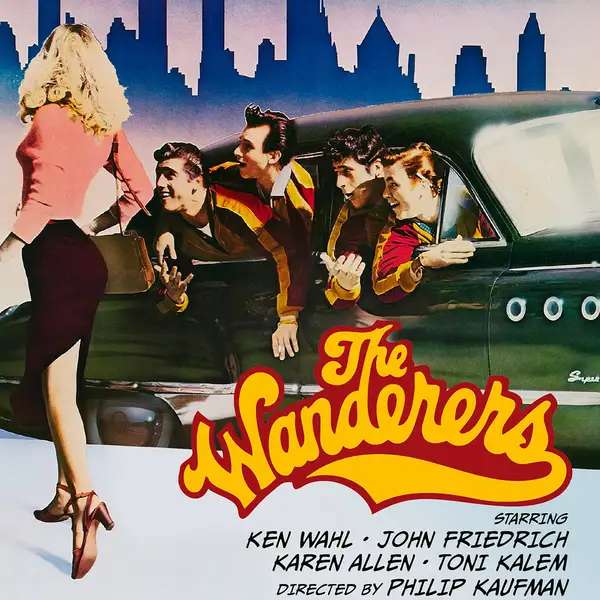
Fresh off the success of his San Francisco version of Invasion of the Body Snatchers (1978), Philip Kaufman’s electric THE WANDERERS (MVFF02) was an immersive look at 1960s greasers who lock horns with another NY street gang for ever-precious territory and credibility. At the crossroads of hope and death, the youth (led by Ken Wahl and Karen Allen) aspire to the possibility of leaving the Bronx, if possible.
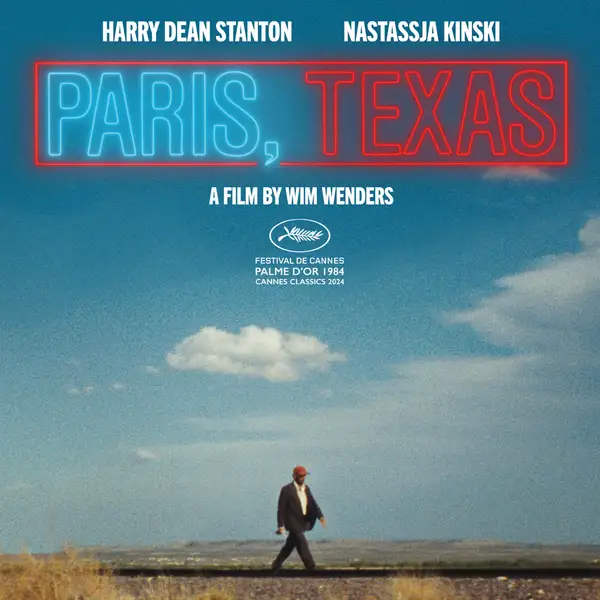
Already a legend in Germany (Kings of the Road, The American Friend), Wim Wenders chose to make a deeply personal view of the American West with PARIS, TEXAS (MVFF07) and won the Palme d’Or at Cannes for his efforts. In this tale of poignant reconciliation, a drifter (a remarkable Harry Dean Stanton) attempts to reconnect with his family, including his estranged wife (Nastassja Kinski) amidst an epic landscape and small-town life. Co-written by Sam Shepard and with music by Ry Cooder, this film was emblematic of foreign artists having a shrewd perspective of American lives.
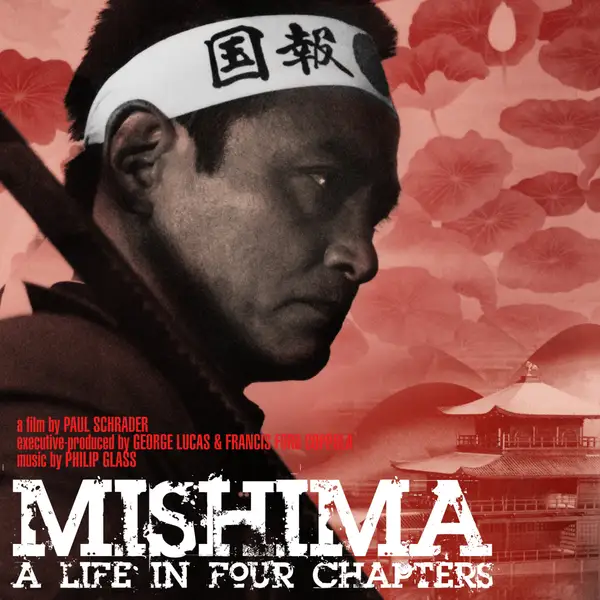
Never scared of outside-the-box thinking, MVFF has also embraced nervy, experimental cinema like Paul Schrader’s MISHIMA: A LIFE IN FOUR CHAPTERS (MVFF08). In this fictionalized accounting of the life of iconic Japanese writer Yukio Mishima, Schrader breaks any number of stylistic and structural rules by weaving flashbacks, biography, and dramatizations in unusual and unflinching ways. Accented by an avant-garde score from Philip Glass, this is a reminder that arthouse cinema in the 80s was no less special than it is now.
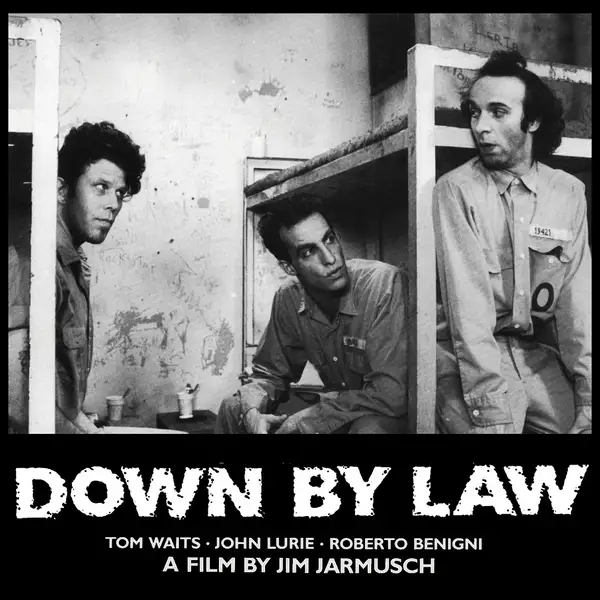
Stranger than Paradise had already put Jim Jarmusch on the cinematic map. But Down by Law (MVFF9) the next year was further proof that a quirky, eclectic, and very funny voice was a major player on the independent scene. With a terrific cast (Tom Waits, Roberto Benigni, John Lurie) and a loose, spontaneous vibe with a gothic Southern charm, this film exemplified filmmaking that was deceptively simple but endlessly creative.
His first film The Return of the Secaucus Seven had already played at Mill Valley, but John Sayles’s MATEWAN (MVFF10) proved that he was ready to take his storytelling to another level. Highlighting some of his favorite subjects (history, race relations, socio-economic disparity), this extraordinary look at labor tensions among West Virginia miners in the 1920s features a wonderful cast (including Chris Cooper, David Strathairn, and James Earl Jones) and a deeply compassionate look at those who have been dispossessed and disenfranchised in a brutal capitalist landscape. The first Oscar-nominee in this Saturday morning MVFF retrospective series, it won’t be the last. Please be sure to check these all out!
Sterling Hedgpeth
CAFILM Retrospective Programmer